

When it comes to laser treatments for your face, the best option depends on your skin concerns, type, and lifestyle. Here’s a quick breakdown of popular treatments:
- CO2 Lasers: Best for deep wrinkles and acne scars. Requires 1–2 weeks of recovery but delivers long-lasting results.
- Fraxel Lasers: Ideal for moderate scars and sun damage. Faster recovery (3–5 days) but needs multiple sessions.
- IPL (Intense Pulsed Light): Targets surface-level issues like sun spots and rosacea. Minimal downtime but limited to lighter skin tones.
- Clear + Brilliant: Great for early signs of aging and skin maintenance. Minimal recovery but requires multiple treatments.
- PicoWay®: Focused on pigmentation problems with almost no downtime. Not suited for wrinkles or texture issues.
Quick Comparison
| Treatment | Best For | Recovery Time | Sessions Needed | Main Limitation |
|---|---|---|---|---|
| CO2 Laser | Deep wrinkles, scars | 1–2 weeks | 1–2 | Longer recovery |
| Fraxel Laser | Moderate scars, sun damage | 3–5 days | 3–5 | Multiple sessions needed |
| IPL | Surface pigmentation | None | 4–6 | Limited to surface-level issues |
| Clear + Brilliant | Early aging, maintenance | Few hours | 4–6 | Subtle, gradual results |
| PicoWay® | Pigmentation issues | Few hours | 2–4 | Limited to pigmentation problems |
Choosing the right laser involves balancing your goals, skin type, and how much downtime you can manage. Consult a qualified specialist to ensure safe and effective results tailored to your needs.
What laser is right for you!? How to choose the right laser for your skin
1. CO2 Lasers
CO2 lasers have earned their place as a top choice for facial laser treatments, offering a powerful approach to skin rejuvenation. These lasers work by precisely vaporizing damaged skin layers, which kickstarts collagen production. By delivering concentrated heat energy to specific areas, they create tiny thermal columns in the skin, encouraging collagen renewal. This method is particularly effective for addressing issues like acne scars and wrinkles, making CO2 lasers a go-to solution for many.
Effectiveness
CO2 laser treatments deliver noticeable improvements in skin texture and appearance. Patients often see a reduction in acne scars, wrinkles, and pigmentation problems, with their skin looking smoother and more refreshed over time. While some changes are visible shortly after the swelling subsides, the full benefits unfold over several months as the skin continues to heal and remodel itself.
Skin Type Suitability
CO2 lasers are generally most effective for individuals with lighter to medium skin tones (Fitzpatrick skin types I–III), as these skin types have a lower likelihood of pigment changes after treatment. For those with olive or darker skin tones, a more cautious approach is recommended to minimize the risk of pigmentation issues. People with sensitive skin should also take extra care, as treatment settings may need to be adjusted to avoid irritation.
Recovery Time
Healing from a CO2 laser treatment involves some downtime, during which the skin visibly recovers. Redness, swelling, and peeling are common during this period. Following post-treatment care is crucial – this includes using gentle cleansers, applying healing ointments, and protecting the skin with broad-spectrum sunscreen. Proper care during recovery not only ensures better results but also helps safeguard the newly treated skin.
Longevity of Results
The benefits of CO2 laser treatments can last for a long time, especially when paired with a consistent skincare routine and vigilant sun protection. As collagen continues to rebuild, the skin remains firm and smooth, even as natural aging progresses. To maintain these results, many providers recommend occasional touch-up treatments to keep the skin looking rejuvenated over the years.
2. Fraxel Lasers

Fraxel lasers utilize a fractional approach, delivering energy in precise, tiny columns to stimulate collagen production. This method effectively resurfaces the skin while allowing for quicker recovery compared to full-ablation techniques. Let’s explore how this technology translates into visible improvements for the skin.
Effectiveness
Fraxel treatments work progressively to enhance skin quality. Patients often notice initial improvements within a few weeks, while the best results typically emerge over 3–6 months after completing a series of sessions.
Skin Type Suitability
Fraxel lasers are suitable for a wide range of skin types, making them a more accessible option than some aggressive laser treatments. Their fractional delivery reduces the risk of pigmentation issues, making them a safer choice for individuals with light to medium-dark skin tones. However, for those with very dark skin, it’s crucial to consult an experienced practitioner who can adjust the treatment settings appropriately. This versatility allows Fraxel to cater to various skin tones while aligning treatment intensity with each individual’s needs.
Recovery Time
One of the standout benefits of Fraxel is its short recovery period. Most patients can resume their usual activities right after treatment. The healing process is predictable and manageable with proper post-care.
After treatment, the skin may feel sunburned, with redness and peeling peaking around Day 3. By Days 5–7, these effects typically subside, and most patients fully heal within two weeks. Common side effects, including redness, swelling, dryness, and flaking, usually resolve within the first week.
Longevity of Results
Fraxel delivers long-lasting results when paired with a solid skincare routine and consistent sun protection. Collagen stimulation continues for months post-treatment, often leading to noticeable improvements in skin tone, texture, and overall appearance well after the treatment series is complete.
To maintain these results, it’s vital to avoid sun exposure for at least three months following treatment. Using a broad-spectrum mineral sunscreen with an SPF of 30 or higher – reapplied every 90 minutes when outdoors – is key to protecting your skin. Complement this with protective clothing, like wide-brimmed hats and long sleeves, to further safeguard the healing skin during this critical period. A diligent approach to sun protection ensures the benefits of Fraxel treatments are preserved over time.
3. IPL (Intense Pulsed Light)
IPL, or Intense Pulsed Light, uses a broad spectrum of light rather than a single wavelength. It’s designed to target pigmented areas and blood vessels in the skin, making it a go-to option for treating concerns like sun damage, age spots, and rosacea. Unlike CO2 or Fraxel lasers, which penetrate deeper layers, IPL primarily works on the skin’s surface.
Effectiveness
IPL is particularly effective for addressing superficial skin concerns. It works by delivering light energy that is absorbed by melanin (skin pigment) and hemoglobin (blood), helping to break down unwanted pigmentation and reduce visible blood vessels. Over time, this process leads to clearer, more even-toned skin. Treated spots often darken initially and then flake off within 7–14 days, revealing fresher skin underneath.
Most patients see gradual improvements over several weeks, with a series of 3–5 treatments spaced 3–4 weeks apart typically recommended for the best results. While IPL is great for issues like sun spots, freckles, melasma, and broken capillaries, it’s not the ideal choice for deeper concerns like significant wrinkles, deep acne scars, or severe texture problems, which may require more intensive resurfacing treatments.
Skin Type Suitability
IPL tends to work best for lighter skin tones, particularly those classified as Fitzpatrick skin types I–III. For individuals with darker skin, the treatment carries a higher risk of complications like hyperpigmentation or burns, as the light energy can be absorbed by the skin’s natural melanin.
Recovery Time
One of IPL’s key advantages is its minimal downtime. Most people can return to their usual activities immediately after a session. Some redness, resembling a mild sunburn, may occur but typically subsides quickly. During recovery, it’s crucial to avoid picking at the skin to prevent scarring.
Longevity of Results
The effects of IPL treatments can last for 1–2 years, provided you practice good sun protection. However, results vary depending on factors like skin type and sun exposure habits. It’s important to understand that IPL doesn’t halt the natural aging process or prevent new sun damage. To maintain results, daily use of a broad-spectrum sunscreen with SPF 30 or higher is essential. Many patients also choose to schedule maintenance treatments every 6–12 months, especially if they have a history of significant sun exposure or spend a lot of time outdoors.
sbb-itb-fafddce
4. Clear + Brilliant
Clear + Brilliant is a laser skin treatment designed for those who want effective results with minimal downtime. Compared to other popular options, it stands out for its quick recovery time, making it a convenient choice for people with packed schedules.
Recovery Time
Most patients can return to their daily activities immediately after a session. However, some may notice mild redness, swelling, and warmth right after the procedure. Redness usually fades within a few hours to 1–2 days, though in rare cases, it might linger for up to a week. Swelling tends to go away within 12 hours to a few days. Additionally, the skin may feel dry and have a sandpaper-like texture for 1–4 days.
This shorter recovery period makes Clear + Brilliant an attractive option for those who want effective skin treatments without extended downtime.
5. PicoWay®
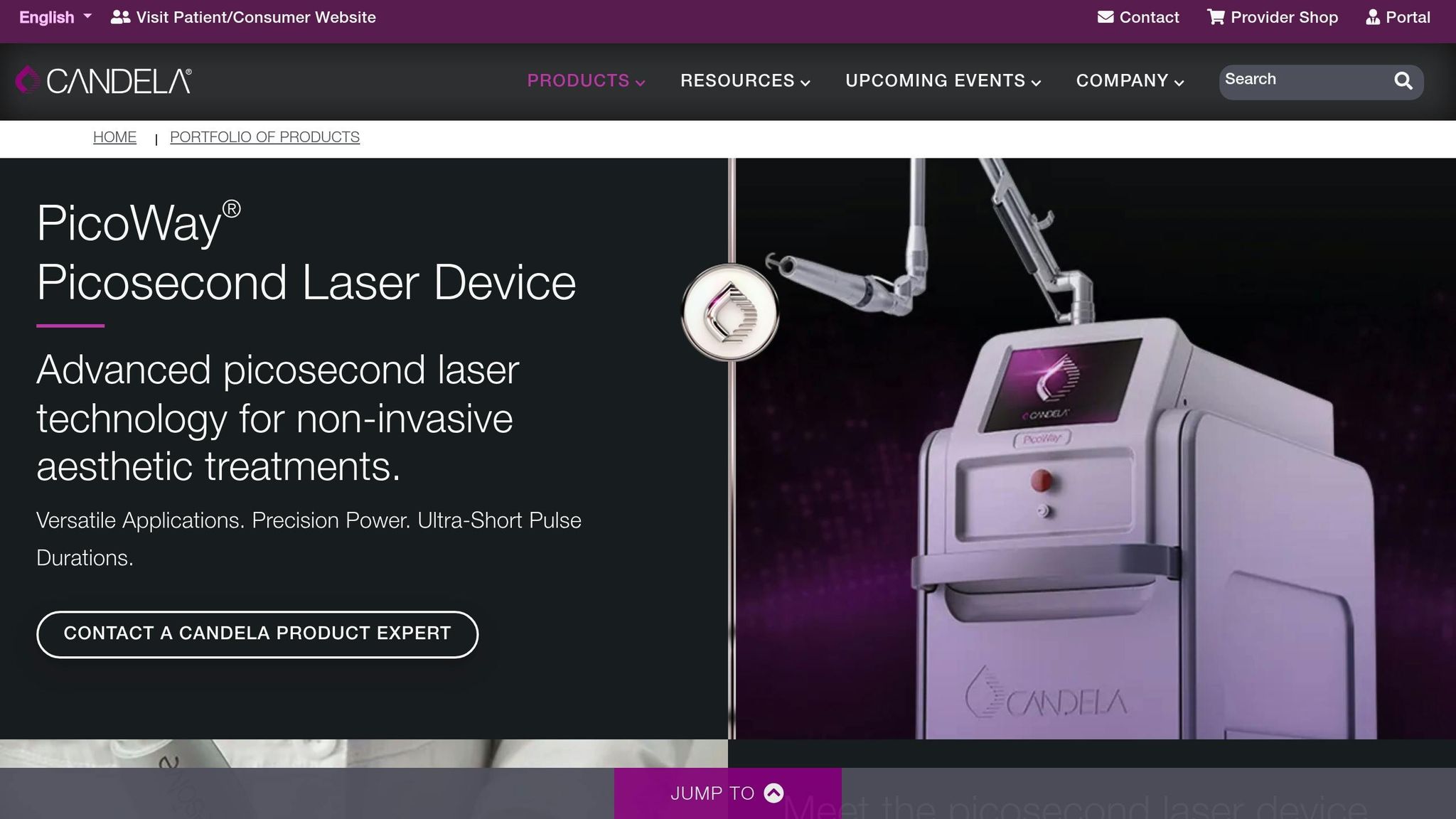
The PicoWay® Resolve laser is a non-ablative treatment that stands out for its minimal downtime. After the procedure, patients might notice slight pinkness on their skin for a few hours, but they can typically get back to their regular activities right away.
Benefits and Drawbacks
Choosing the right treatment starts with understanding how each option aligns with your skin goals. Every method has its own strengths and limitations, and knowing these can help you make an informed decision.
CO2 lasers are highly effective for addressing deep wrinkles, acne scars, and sun damage. This ablative treatment works by completely removing damaged skin layers, which triggers strong collagen production. However, the intensity of this procedure means a longer recovery period – typically 1-2 weeks. During this time, your skin will likely be red, swollen, and require diligent wound care. The downtime can be uncomfortable, and there’s a higher risk of complications like hyperpigmentation, especially for individuals with darker skin tones.
Fraxel lasers offer a middle ground between results and recovery. These fractional treatments target specific areas while leaving surrounding tissue untouched, which speeds up healing. Results appear gradually over several months, but the catch is that multiple sessions (usually 3-5) are needed, spaced 4-6 weeks apart. Each session can cause moderate redness and swelling, lasting 3-5 days, which might be inconvenient for some.
IPL treatments are the gentlest option, with virtually no downtime. You can head back to work or your daily routine immediately after a session. IPL is great for treating sun spots, rosacea, and broken capillaries across larger areas. However, it focuses on surface-level improvements, so it’s not the right choice for deeper issues like acne scars or pronounced wrinkles. Results are generally subtle and require maintenance every few months.
Clear + Brilliant stands out for its convenience. Often referred to as a "baby Fraxel", this treatment involves minimal downtime – just a few hours of slight redness. It’s ideal for maintaining healthy skin and addressing early signs of aging. The downside? Results are gradual and less dramatic, typically requiring multiple sessions to see noticeable changes.
PicoWay® technology specializes in tackling pigmentation issues with precision. Its ultra-short laser pulses break down melanin effectively while minimizing heat damage to surrounding tissue. Recovery is quick, with only a few hours of pinkness. However, this laser is designed specifically for pigmentation concerns and won’t significantly improve skin texture or address wrinkles.
Here’s a quick comparison to help you weigh your options:
| Treatment | Best For | Recovery Time | Sessions Needed | Main Limitation |
|---|---|---|---|---|
| CO2 Laser | Deep wrinkles, severe scars | 1-2 weeks | 1-2 | Significant downtime |
| Fraxel | Moderate scars, sun damage | 3-5 days | 3-5 | Requires multiple appointments |
| IPL | Surface pigmentation, rosacea | None | 4-6 | Limited to surface-level issues |
| Clear + Brilliant | Prevention, maintenance | Few hours | 4-6 | Subtle, gradual results |
| PicoWay® | Stubborn pigmentation | Few hours | 2-4 | Limited to pigmentation issues |
When it comes to cost, CO2 lasers involve a higher upfront expense but require fewer sessions. On the other hand, IPL and Clear + Brilliant are more budget-friendly per session but demand ongoing treatments for maintenance. Your skin type also plays a major role in determining the best option. For darker skin tones, non-ablative treatments like PicoWay® and Clear + Brilliant are generally safer, while lighter skin can tolerate more aggressive procedures like CO2 lasers.
Timing is another important factor. Ablative treatments are best scheduled during cooler months when sun exposure is less intense, reducing the risk of complications. Non-ablative treatments, however, can be done year-round as long as you’re diligent about sun protection. This flexibility makes them a practical choice for maintaining your skincare routine throughout the year.
Conclusion
When it comes to choosing a laser treatment, your decision should revolve around your specific skin concerns, type, and lifestyle. Each laser option has its own strengths, so understanding these can help you make the right choice.
For deeper scars or wrinkles, CO2 lasers are highly effective and typically require just one or two sessions, though they come with longer downtime. On the other hand, if you’re looking for moderate improvements and prefer a shorter recovery period, Fraxel strikes a good balance – though it does require multiple sessions spaced weeks apart.
If you have darker skin, non-ablative treatments are a safer choice as they reduce the risk of complications. These treatments are also ideal for those who can’t accommodate significant downtime. Meanwhile, IPL is a great option for surface-level issues like sun spots and rosacea, especially for larger areas, though it won’t tackle deeper skin concerns.
Cost and timing are other important factors. While CO2 lasers are more expensive, they require fewer sessions and are best scheduled during cooler months to minimize sun exposure risks. Non-ablative treatments, on the other hand, offer year-round flexibility, making them suitable for busier schedules.
Ultimately, consulting with a qualified laser specialist is key. They can evaluate your skin, discuss realistic outcomes, address any risks, and create a treatment plan tailored to your needs. Since everyone’s skin reacts differently, professional advice ensures you choose a treatment that’s both safe and effective for your unique situation.
FAQs
What is the best laser treatment for my skin type and facial concerns?
The ideal laser treatment for your skin largely depends on your individual skin type and the specific concerns you’re looking to address, such as acne scars, pigmentation, wrinkles, or overall rejuvenation. For those with lighter skin tones, options like CO2 lasers and Fraxel are often effective in treating deeper wrinkles and scars. On the other hand, if you have a darker skin tone, Nd:YAG lasers are typically a safer choice, as they reduce the likelihood of pigmentation problems.
To get the best outcome, it’s essential to consult a qualified dermatologist. They can evaluate your skin’s needs and recommend a treatment plan tailored to your goals, ensuring both safety and effectiveness. A personalized approach is key to achieving the results you’re after.
What are the risks or side effects of laser treatments for darker skin tones?
Laser treatments can carry a greater risk of burns, skin discoloration, and scarring for people with darker skin tones. The reason lies in the higher melanin levels in darker skin, which tend to absorb more laser energy. This can result in complications such as post-inflammatory hyperpigmentation (PIH) or an uneven skin tone.
To reduce these risks, it’s important to use lasers specifically designed for darker skin and to work with skilled professionals who have experience treating diverse skin types. When handled properly, laser treatments can still be both safe and effective, but careful attention is key to preventing long-term issues.
How can I keep my laser treatment results looking great over time, and why is sun protection so important?
To keep the benefits of your laser treatment intact, protecting your skin from the sun is crucial. UV rays can undo the progress made during your treatment and even cause further skin damage. Make it a habit to use a broad-spectrum sunscreen with an SPF of 30 or higher every day. Opt for physical sunscreens with ingredients like zinc oxide or titanium dioxide, as they’re gentler on skin that’s still healing.
Beyond sunscreen, take extra precautions like wearing wide-brimmed hats, sunglasses, and protective clothing. Try to avoid direct sunlight, especially during peak hours. For optimal results, minimize sun exposure for at least 2 to 8 weeks after your treatment. These simple steps can help maintain your skin’s improvements and keep it looking healthy over the long term.